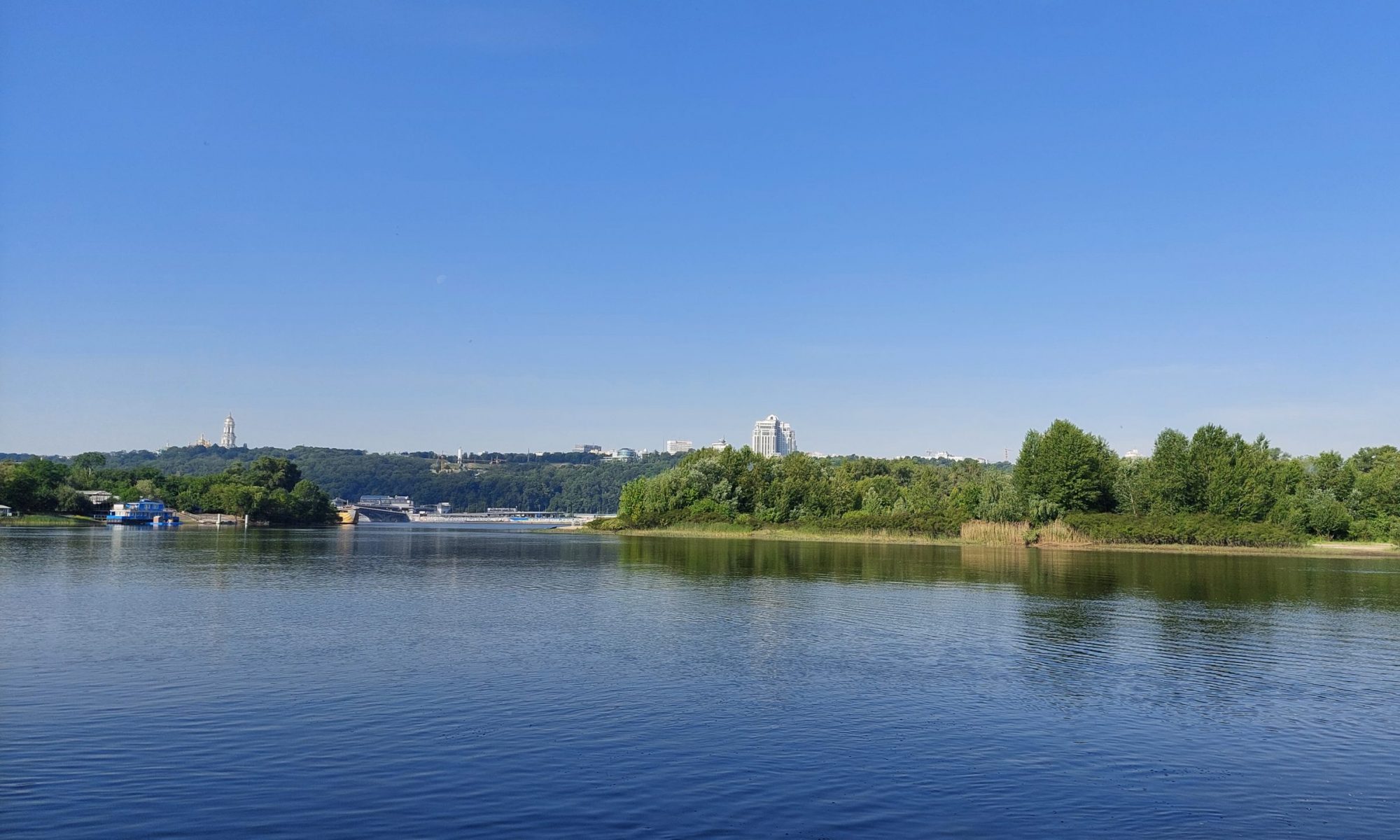
Collection of icons from the ruined homes of Ukrainians
These exhibits were salvaged during the clearance of rubble from ruined buildings.
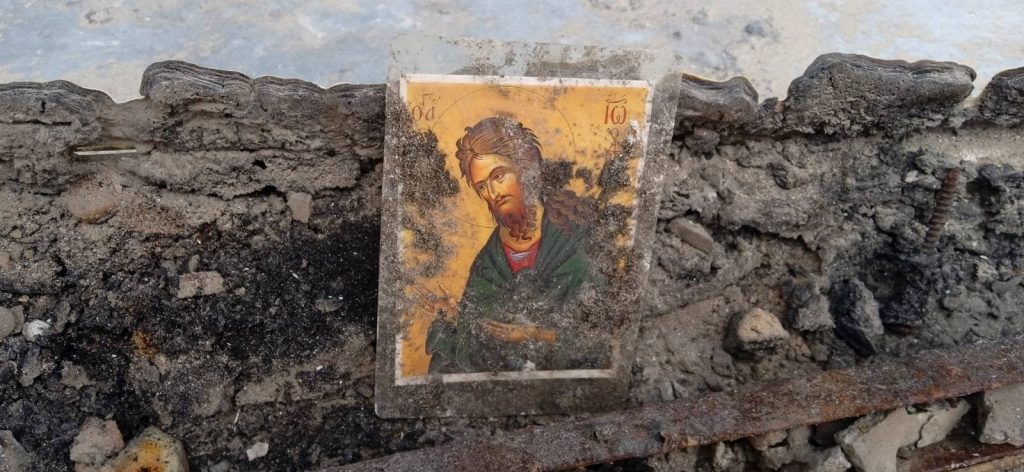
During war, people seek support where they have found it for centuries — in faith. Small icons on the walls, by the bed, or in the corner of the room become silent witnesses to daily prayers, fears, and hopes. Before them, people ask for protection, ask for peace, ask for life.
This collection of icons was born amidst the destruction.
The Museum of Peace began collecting it in 2022, when Ukrainian cities and villages began to be liberated from Russian occupation. The icons were found among the rubble of houses, in destroyed hospitals, and even in broken maternity hospitals — where a new life had just begun.
Many of these images miraculously survived under the rubble. They lay among the ashes, glass, and destroyed walls — the remains of homes where there was once laughter, family dinners, and quiet prayers. The collection features icons from Bucha, Irpin, and Kherson — cities that have become symbols of tragedy and, at the same time, human resilience.
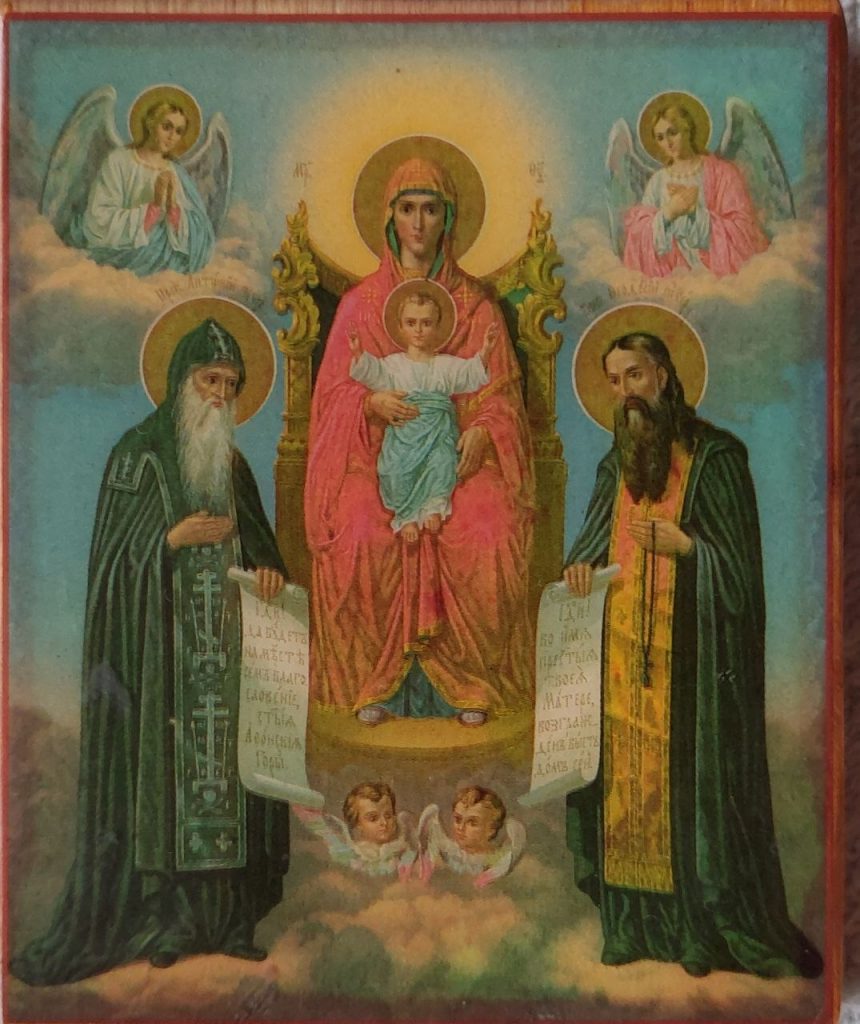
Most of them are simple, naive images. Almost childlike faces of saints, calm gestures, gentle looks. Once they were a source of hope for people who sincerely believed that prayer could protect their home and their loved ones.
Today, these icons carry a heavy irony. For many of those who prayed before them, hope never came true.
Among the exhibits is the New Testament from the village of Yagodne. In the basement of the local school, the Russian military set up an improvised concentration camp, where hundreds of civilians were held. People lived there in darkness, cold and fear, listening to screams, disease and death nearby.
The icons before which people prayed, seeking at least a shred of strength to survive those days, they wanted to keep for themselves. Instead, they gave the New Testament, which was with them in the basement, to the museum as a gift.
This collection is not just about religion. It is about people.
The owners of these icons — Orthodox, Catholics, people of different communities — are united by one experience: the experience of war. They held on to their symbols of faith just as they held on to each other.
Looking at these icons, we see not only holy images. We see the ruins of houses, empty hospital wards, destroyed cities. We see prayers that sounded amidst the explosions.
And we understand: the pain of war has no religious boundaries.
Loss, fear, and shattered hope are universal. But next to them, there is something else — the ability of man to endure.
Perhaps these icons no longer carry the naive confidence they once had. But they remain something else: a testament to memory, survival, and the indomitable human will to live.
And even when the images of God on their surfaces seem silent, they still speak to us.
About faith.
About pain.
And that human hope can survive even war.


Під час війни люди шукають опору там, де її знаходили століттями — у вірі. Маленькі ікони на стінах, біля ліжка чи в кутку кімнати стають мовчазними свідками щоденних молитов, страхів і надій. Перед ними просять захисту, просять миру, просять життя.
Ця колекція ікон народилася серед руйнувань.
Її почав збирати Музей миру у 2022 році, коли українські міста і села почали звільняти від російської окупації. Ікони знаходили серед уламків будинків, у знищених лікарнях і навіть у розбитих пологових будинках — там, де ще зовсім недавно починалося нове життя.
Багато з цих образів дивом уціліли під завалами. Вони лежали серед попелу, скла і зруйнованих стін — залишків домівок, де колись були сміх, родинні вечері й тихі молитви. У колекції представлені ікони з Бучі, Ірпеня та Херсона — міст, що стали символами трагедії та водночас людської стійкості.
Більшість із них — прості, наївні образи. Майже дитячі обличчя святих, спокійні жести, лагідні погляди. Колись вони були джерелом надії для людей, які щиро вірили, що молитва може захистити їхній дім і їхніх близьких.
Сьогодні ці ікони несуть у собі важку іронію. Для багатьох тих, хто молився перед ними, надія так і не здійснилася.
Серед експонатів є й Новий Завіт із села Ягідне. У підвалі місцевої школи російські військові облаштували імпровізований концентраційний табір, де утримували сотні мирних жителів. Люди жили там у темряві, холоді й страху, слухаючи крики, хвороби й смерть поруч.
Ікони, перед якими люди молилися, шукаючи бодай крихту сили пережити ці дні, вони захотіли залишили собі. Натомість Новий Завіт, який був разом із ними у підвалі, вони передали музею як дар.
Ця колекція говорить не лише про релігію. Вона говорить про людей.
Власники цих ікон — православні, католики, люди різних громад — об’єднані одним досвідом: досвідом війни. Вони трималися за свої символи віри так само, як трималися один за одного.
Дивлячись на ці ікони, ми бачимо не тільки святі образи. Ми бачимо уламки будинків, порожні лікарняні палати, зруйновані міста. Ми бачимо молитви, які звучали серед вибухів.
І ми розуміємо: біль війни не має релігійних кордонів.
Втрата, страх і зруйнована надія є універсальними. Але поруч із ними існує ще дещо — здатність людини вистояти.
Можливо, ці ікони вже не несуть тієї наївної впевненості, яку мали колись. Але вони залишаються чимось іншим: свідченням пам’яті, виживання і незламної людської волі жити.
І навіть коли образи Бога на їхніх поверхнях здаються мовчазними, вони все одно промовляють до нас.
Про віру.
Про біль.
І про те, що людська надія здатна пережити навіть війну.